

General Dentistry in Tinton Falls, NJ
The Foundation of a Healthy Smile Starts Here
General dentistry isn't just cleanings and checkups. It's the consistent, comprehensive care that catches problems early, keeps your teeth and gums healthy, and gives your provider a complete picture of your oral health over time. At NJ Laser Dentistry, we've been providing that foundation for Monmouth County families since 1988.

A Practice That Grows With You
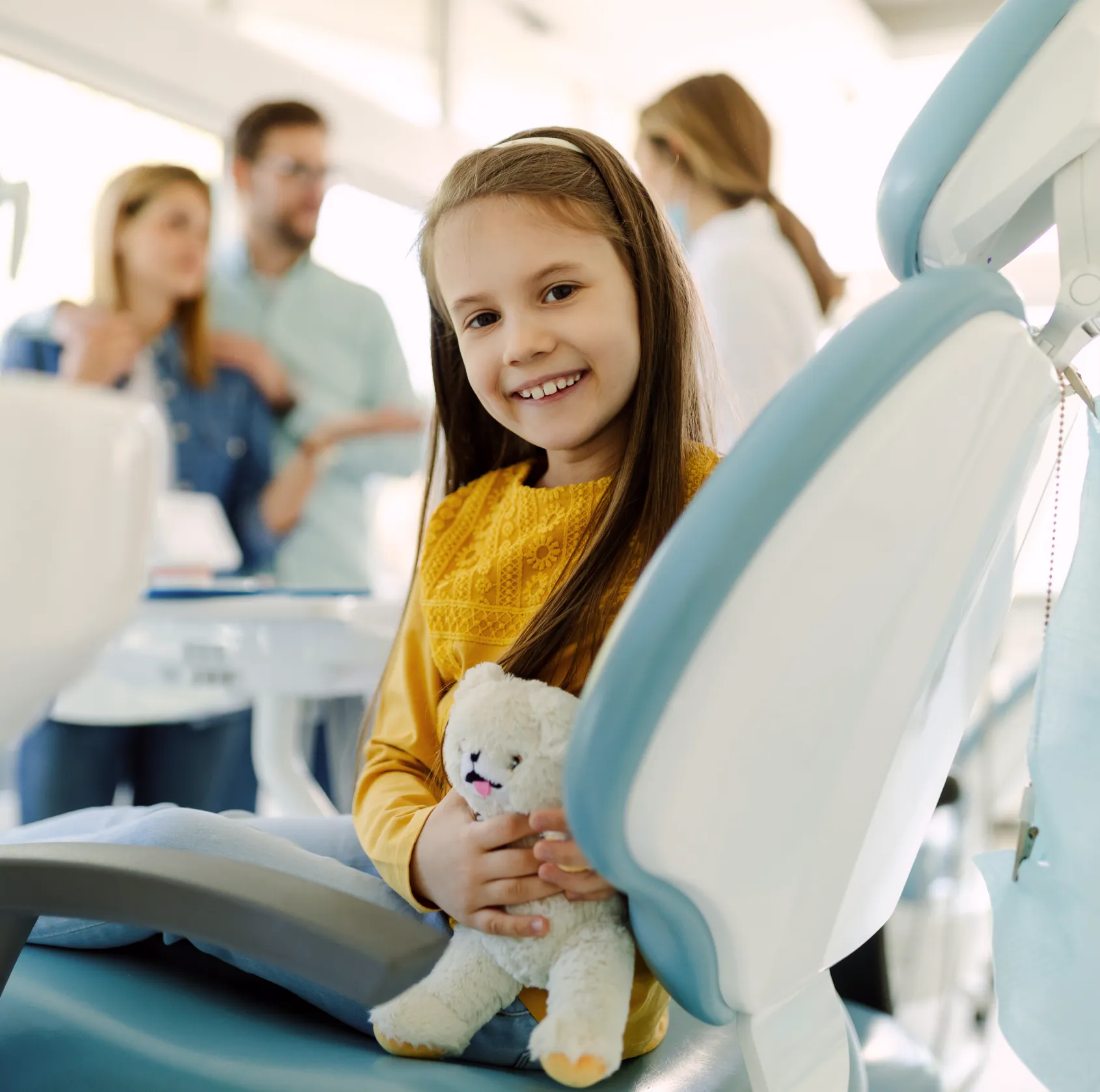
We see patients from infancy through adulthood, which means your family can stay with the same trusted team across every stage of life. No transitions, no starting over, no new providers to get to know.
More Than a Cleaning
Every visit includes a comprehensive evaluation, not just a polish and a send-off. Digital X-rays, oral cancer screenings, and a full periodontal assessment are part of how we stay ahead of issues before they become bigger problems.

Everything In-House
From routine preventive care to root canals, night guards, TMJ appliances, and sleep apnea devices, we handle a wide range of general dental needs without sending you to another office. One practice, one team, one relationship.
Check your insurance

Preventive Care
Preventive care is the most cost-effective investment you can make in your oral health. Our comprehensive checkups are designed to catch small issues before they require larger, more involved treatment.
- Professional cleaning to remove buildup above and below the gumline
- Full examination to assess the health of every tooth and surrounding tissue
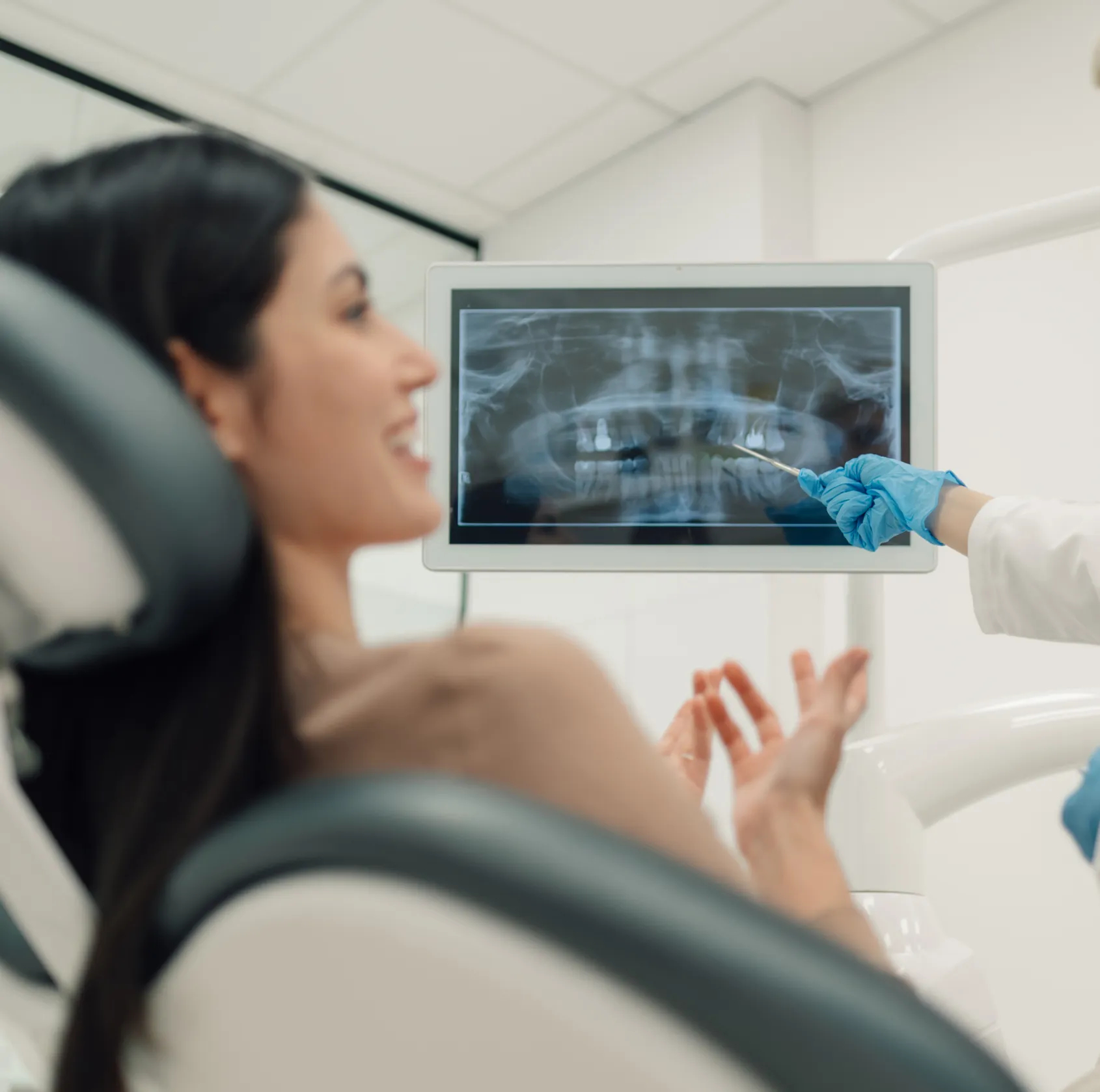
- Digital X-rays for a complete view of what's happening below the surface
- Oral cancer screening at every visit
- Fluoride varnish treatments to strengthen enamel and reduce cavity risk
- Sealants for children to protect back teeth from decay
Restorative Care
When a tooth needs attention, prompt treatment protects the surrounding teeth and prevents the problem from escalating. Our restorative services address everything from minor decay to more complex structural concerns.
- Fillings to repair cavities and restore tooth structure
- Crowns to protect and strengthen damaged or weakened teeth
- Inlays and onlays as a conservative alternative to full crowns when appropriate
- Root canal treatment to save an infected or severely damaged tooth
- Extractions, including wisdom teeth, when a tooth cannot be saved

Oral Appliances and Protective Devices
Many common conditions, including teeth grinding, jaw pain, TMJ dysfunction, and sleep apnea, can be effectively managed with a custom oral appliance. We offer a full range of devices fabricated with digital precision for the most accurate fit.
- Night guards for patients who grind or clench their teeth
- Mouth guards for children and adults who play contact sports
- TMJ appliances to relieve jaw tension, pain, and dysfunction
- Sleep apnea oral appliances as an alternative to CPAP therapy
Masseter Injections for TMJ Relief
For patients dealing with chronic jaw tension, teeth grinding, and related headaches, masseter injections offer a non-invasive path to meaningful, lasting relief. A targeted injection relaxes the masseter muscle, the large jaw muscle responsible for chewing and clenching, reducing the force behind grinding and the pain that comes with it.
What that means for your care:
- Jaw pain and tension are relieved without surgery or ongoing medication
- Teeth grinding is reduced, protecting your enamel from long-term wear
- Chronic headaches linked to jaw tension often improve significantly after treatment
- The procedure is quick, performed in-office, and requires no downtime
- Results typically last three to six months and can be maintained with periodic follow-up appointments
Masseter injections can be used alongside a custom night guard or TMJ appliance for a more comprehensive approach to jaw health, depending on your needs and what your provider recommends.

What to expect
Your First Visit
We start with a full set of digital X-rays and a comprehensive examination. Your provider will assess the health of your teeth, gums, and bite, and walk you through any findings in plain language before any treatment decisions are made.
Your first visit typically includes:
- Digital X-rays to assess what's happening above and below the gumline
- A full oral health evaluation covering every tooth and surrounding tissue
- A periodontal assessment to check the health of your gums
- An oral cancer screening
- A professional cleaning if you're due for one
If you have any concerns or areas you'd like us to pay attention to, this is the time to bring them up. We want to hear from you.
Ongoing Care
For most patients, we recommend a checkup and cleaning every six months. Depending on your history, your provider may suggest a different schedule.
What we monitor between visits:
- Changes in existing restorations such as fillings, crowns, or older dental work
- Gum health and any signs of early periodontal disease
- Wear patterns that may indicate grinding or clenching
- Any areas flagged at your previous visit that we're keeping an eye on
Either way, we'll always keep you informed about what we're watching and why.
When Treatment Is Needed
If your exam reveals something that needs attention, we'll explain your options clearly before any decisions are made.
Here's what you can count on:
- A plain-language explanation of what we found and why it matters
- A clear outline of your treatment options, including the most conservative approach
- Help prioritizing care based on urgency and your personal goals
- A treatment sequence that fits your timeline and budget
- Financing options through CareCredit if cost is a consideration
Nothing moves forward without your full understanding and approval.
Why Patients Choose NJ Laser Dentistry
Advanced Digital Dentistry and Laser Technology
Implants, Orthodontics, and Periodontal Specialists
Designed Around Your Life
Meet Our Doctors

Our Dental Associations

%202.webp)

Frequently Asked Questions
Can you treat sleep apnea without a CPAP machine?
For patients with mild to moderate obstructive sleep apnea, a custom oral appliance can be an effective alternative to CPAP therapy. The device repositions the jaw during sleep to keep the airway open. We'll assess whether this option is appropriate for your situation and coordinate with your physician as needed.
What are the signs that I might need a root canal?
Common signs include persistent toothache, sensitivity to hot or cold that lingers after the temperature source is removed, swelling or tenderness near a tooth, and darkening of the tooth. In some cases, there are no obvious symptoms, which is why regular X-rays are important. Root canals relieve pain and save teeth that would otherwise need to be extracted.
What is the difference between an inlay an onlay and a crown?
A filling repairs minor decay within a tooth. An inlay repairs damage within the cusps of a tooth, while an onlay extends over one or more cusps. A crown covers the entire visible surface of the tooth. Your provider will recommend the most conservative option that adequately restores the tooth's strength and function.
What is a night guard and do I need one?
A night guard is a custom-fitted appliance worn during sleep to protect your teeth from the effects of grinding and clenching, a condition called bruxism. If you wake up with jaw soreness, headaches, or your provider notices unusual wear patterns on your teeth, a night guard may be recommended.
Do I really need X-rays at every visit?
Not necessarily at every visit. The frequency of X-rays depends on your individual risk factors, dental history, and what your provider is monitoring. Digital X-rays expose patients to significantly less radiation than traditional film, and they give us information that a visual exam alone cannot.
What is an oral cancer screening and why does it matter?
An oral cancer screening is a visual and physical examination of the soft tissues in and around your mouth, looking for any abnormalities that could indicate early signs of cancer. When caught early, oral cancer is highly treatable. We include a screening at every checkup because it takes only a few minutes and can make a significant difference in outcomes.
At what age should my child have their first dental visit?
We recommend bringing children in around their first birthday or within six months of their first tooth appearing. Early visits help establish healthy habits, give us a baseline for their dental development, and make future appointments feel routine rather than stressful.
What is included in a routine checkup?
Our comprehensive exams include a full oral health evaluation, digital X-rays, an oral cancer screening, a periodontal assessment, and a professional cleaning. If anything requires attention, we'll discuss it with you at the same appointment.
How often should I come in for a checkup?
For most patients, every six months is the standard recommendation. If you have a history of gum disease, decay, or other ongoing concerns, your provider may suggest more frequent visits to stay ahead of any changes.
Find Us in Tinton Falls
We’re located on Shrewsbury Ave. Complimentary parking available. New patients are always welcome.
Complimentary parking available. *Open on select Saturdays once a month, September through May.