

Are Dental Implants Right for You?
Take our two-minute quiz to find out if you're a candidate. It's a simple, no-pressure way to get started before your complimentary consultation.

New Patient Special
What Makes Implants Different
Most tooth replacement options sit on top of the gum. An implant goes where the tooth actually was, into the jawbone, giving you a foundation that looks, functions, and feels like the real thing. Here's why that matters.

They Look and Feel Like Your Own Teeth
Implants are custom-matched to your surrounding teeth in shape, size, and color. Once placed, most patients stop thinking about them entirely.
Short wait timesThey Protect Your Jawbone
When a tooth is lost, the bone underneath begins to shrink. An implant is the only replacement option that stops that process and preserves your jaw's natural structure over time.
They're Built to Last
With proper care, implants can last a lifetime. No adhesives, no removable parts, no special maintenance. Just a tooth that works the way it's supposed to.
Check your insurance

Our Implant Services
We handle the full scope of implant care in-house, from your first consultation through placement and final restoration. Our services include:
Single Tooth Implants
The gold standard for replacing a missing tooth. A single implant preserves the surrounding teeth and bone without grinding down healthy enamel the way a bridge does.
Multiple Tooth Implants
For patients missing several teeth, implants can replace each one individually or support an implant-retained bridge, giving you a fixed, natural-feeling result without affecting neighboring teeth.
All-on-4 Full Arch Implants
A full set of permanent teeth supported by just four strategically placed implants. All-on-4 is designed for patients missing most or all of their teeth and can often be completed in a single visit.
Implant-Supported Dentures
A fixed alternative to traditional removable dentures. Implant-supported dentures attach securely to implants in the jaw, eliminating the slipping, discomfort, and bone loss that come with conventional dentures.
Bone Grafting
If you've been told you don't have enough bone for implants, a graft may be able to change that. We perform bone grafting in-house to rebuild the foundation needed for successful implant placement.
3D CBCT Imaging
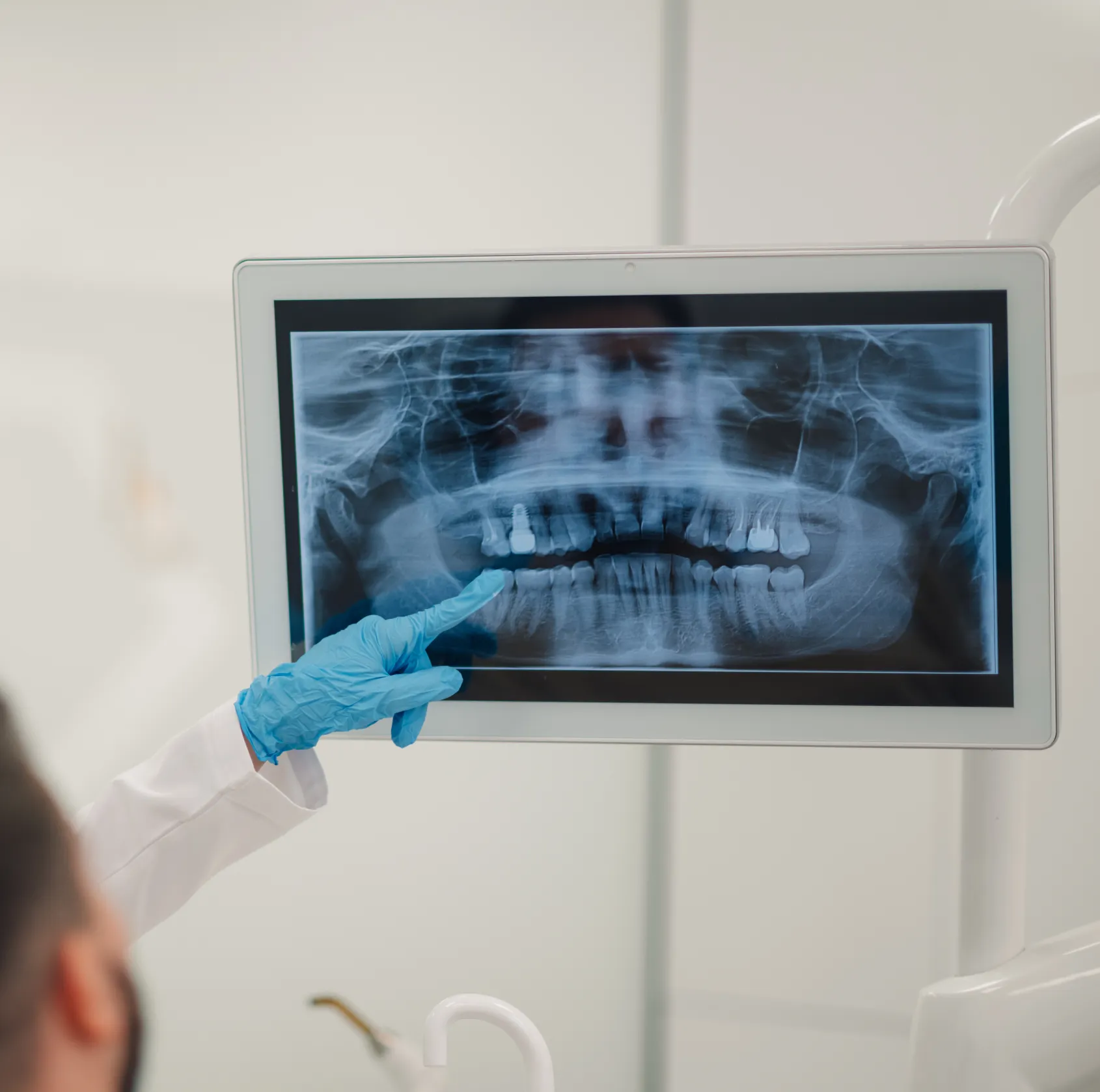
Every implant case at NJ Laser Dentistry is guided by 3D CBCT imaging. This technology lets us map your jaw in three dimensions before we begin, so placement is precise, predictable, and planned down to the millimeter.
Because we also offer orthodontics, cosmetic dentistry, and restorative care under the same roof, we can coordinate implants alongside any other treatment you need without sending you somewhere else.
Is This the Right Time for Implants?
You don't have to be in crisis to consider implants. Patients come to us at all different stages. Implants may be the right solution if you are:
- Missing one or more teeth and want a permanent replacement
- Wearing dentures that slip, cause discomfort, or affect your confidence
- Dealing with a tooth too damaged or decayed to save
- Noticing bone loss or shifting teeth around a gap
- Looking for a long-term solution rather than a temporary fix

Are You a Good Candidate?
Most healthy adults qualify for implants. The best candidates typically:
- Have adequate jawbone density, or are open to a bone graft if needed
- Have healthy gums with no active periodontal disease
- Are committed to regular checkups and good oral hygiene
- Do not smoke, or are willing to quit during the healing period
Not sure where you stand? That's exactly what your complimentary consultation is for. We'll take 3D scans, review your health history, and give you a straightforward answer.
What to Expect When You Choose Dental Implants
Getting an implant is a process, not a single appointment. Most patients tell us it was far more manageable than they expected. Here's how it typically unfolds.
Complimentary Consultation
We review your dental and medical history, take 3D CBCT scans, and walk you through your options. This is a no-cost, no-pressure conversation. You'll leave with a clear picture of what treatment would look like for you and what to expect at every stage.
Treatment Planning
Using your 3D imaging, we map out the precise position, angle, and depth of your implant before anything begins. This planning stage is what makes the procedure predictable, safe, and accurate from the first step.
Bone Grafting (If Needed)
If imaging shows that you don't have enough bone density to support an implant, a bone graft is placed first and given time to integrate with the surrounding tissue. Not every patient needs this step, and we'll tell you clearly upfront if you do.
Implant Placement
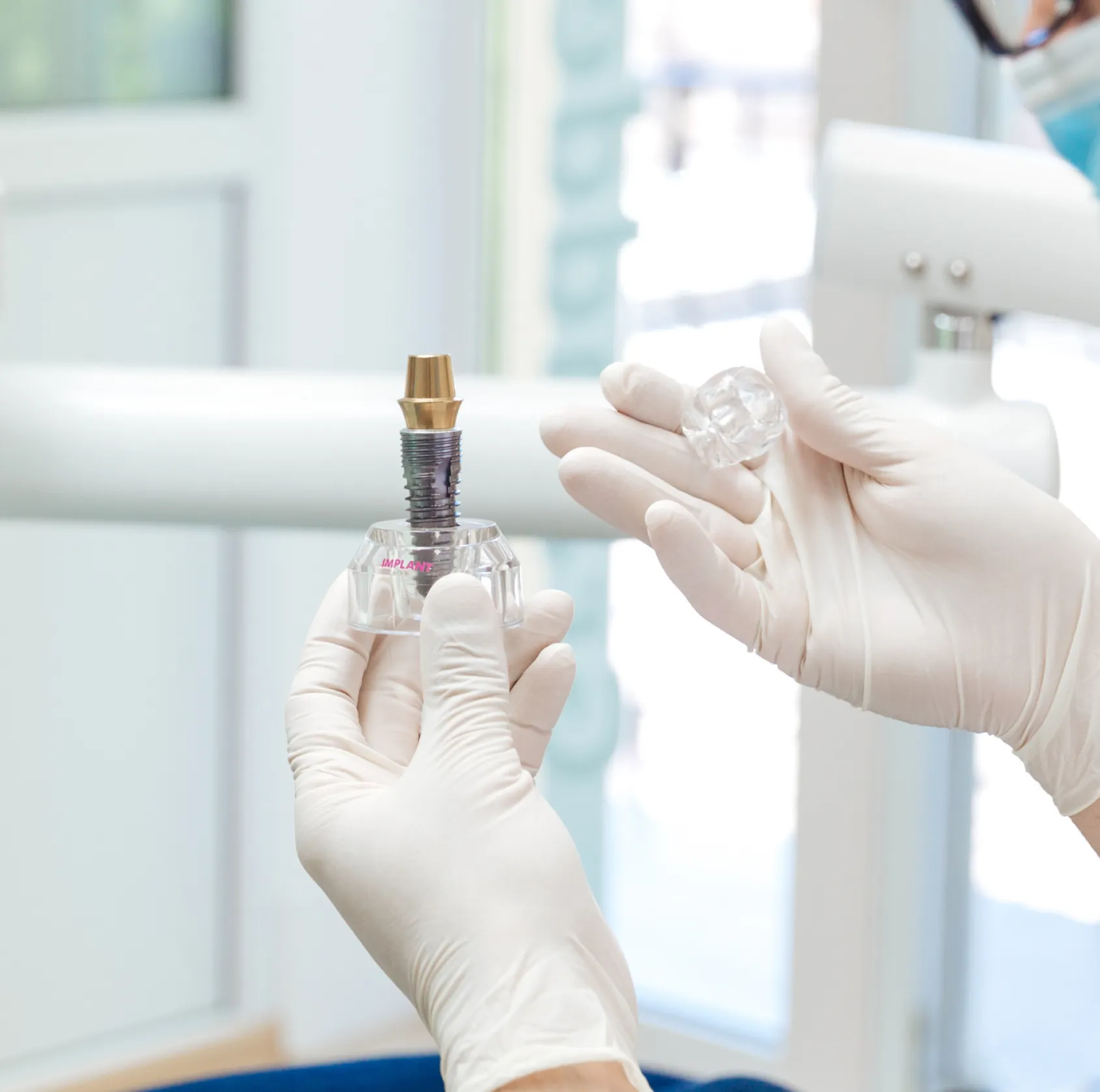
The titanium post is placed into the jawbone during a straightforward in-office procedure performed under local anesthesia. The process is typically far more comfortable than patients anticipate, and most return to normal activity within a day or two.
Healing and Integration
Over the following months, the implant fuses with the surrounding bone. This is what gives the implant its permanence. There's nothing you need to do during this phase beyond following your aftercare instructions and keeping your regular checkup schedule.
Crown Placement
Once the implant has fully integrated, your custom crown is fabricated and attached. The crown is matched to the shape, size, and color of your surrounding teeth. At this point, your implant looks, feels, and functions exactly like a natural tooth.
Why Patients Choose NJ Laser Dentistry
Advanced Digital Dentistry and Laser Technology
Implants, Orthodontics, and Periodontal Specialists
Designed Around Your Life
Meet Our Doctors


Our Dental Associations

%202.webp)

Frequently Asked Questions
How do I get started?
Call our office to schedule your complimentary consultation. We'll take 3D scans, review your options, and give you a clear picture of what treatment would look like for you, at no cost and no obligation.
How long does the full process take?
The timeline varies depending on whether bone grafting is needed and how quickly your body heals, but most patients complete the process within three to six months from placement to final crown.
Does the procedure hurt?
Most patients report less discomfort than they expected. The procedure is performed under local anesthesia, and any soreness afterward is typically manageable with over-the-counter pain relief.
How do I get started with dental implants?
Call our office to schedule your complimentary consultation. We'll take 3D scans, review your options, and give you a clear picture of what treatment would look like for you, at no cost and no obligation.
What is the difference between an implant and a bridge?
A bridge spans the gap left by a missing tooth by anchoring to the teeth on either side. An implant replaces the root and crown independently, without affecting neighboring teeth, and prevents the bone loss that a bridge cannot address.
Can implants be done in one day?
In some cases, yes. All-on-4 implants are designed to provide a full arch of teeth in a single visit. For single tooth implants, the process typically requires multiple appointments spread over several months.
What is osseointegration?
Osseointegration is the process by which the titanium implant fuses with your jawbone. It typically takes three to six months and is what gives implants their stability and longevity.
Am I too old for dental implants?
There is no upper age limit for implants. As long as you are in reasonably good health and have adequate bone density, age alone is not a disqualifying factor.
What happens if I don't replace a missing tooth?
The jawbone beneath a missing tooth begins to deteriorate over time. Neighboring teeth can also shift into the gap, affecting your bite and the alignment of your smile. The sooner a missing tooth is addressed, the more options you typically have.
Are implants covered by insurance?
Coverage varies by plan. Our team can help you understand your benefits before your appointment. We also offer financing through CareCredit for patients who want to spread out payments over time.
How long does the full implant process take?
The timeline varies depending on whether bone grafting is needed and how quickly your body heals, but most patients complete the process within three to six months from placement to final crown.
Does the implant procedure hurt?
Most patients report less discomfort than they expected. The procedure is performed under local anesthesia, and any soreness afterward is typically manageable with over-the-counter pain relief.
How long do dental implants last?
With proper care and regular checkups, implants can last a lifetime. The crown on top may need to be replaced after 15 to 20 years, but the implant itself is designed to be permanent.
Find Us in Tinton Falls
We’re located on Shrewsbury Ave. Complimentary parking available. New patients are always welcome.
Complimentary parking available. *Open on select Saturdays once a month, September through May.